Shecey and
Allocate Space
This use case shows how Allocate Space helps teams design and automate complex, real-world operational workflows at scale.
Shecey is a PUB-approved vendor of environmental monitoring systems for construction sites in Singapore. Their solutions include Total Suspended Solids (TSS) sensors and CCTV cameras that track wastewater discharge and help contractors meet PUB's Earth Control Measures (ECM). With more than 400 monitoring units deployed island-wide, Shecey supports both contractors and regulators with critical real-time data.
90% reduction in system downtime
50% increase in expected customer service capacity
Increased Operational Efficiency
Solution
Allocate Space migrated Shecey from on-premise servers to a unified cloud-based platform, without requiring any changes to their deployed devices. The base of Shecey’s new monitoring system can be deployed and enhanced without disrupting current operations.
Unified Monitoring Platform
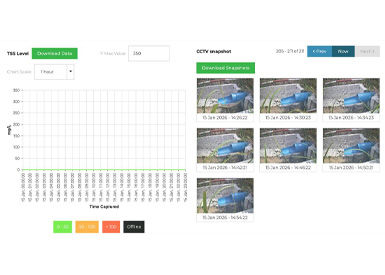
All legacy subsystems were combined into a single platform built on the Allocate Space architecture. The system now manages TSS and CCTV data, environmental thresholds, automated alerts, and reporting.
Shared Dashboard for Shecey and Clients
Using the Allocate Console, both Shecey and their clients can:
View real-time site data.
Track compliance.
Access CCTV snapshots.
Receive alerts.
Monitor multiple sites from one dashboard.
This shared visibility improves collaboration and supports continuous monitoring.
Built for Scalability
The cloud platform allows Shecey to add new sites easily, scale processing as needed, integrate new environmental data sources, and eliminate the maintenance burden of physical servers.
Challenge
Shecey's existing system is based on-premise servers that collect and process large volumes of sensor and CCTV data. As data needs grew by about 30 percent each year, the system struggled to scale. Its infrastructure operated across three separate subsystems, resulting in:

Troubleshooting that required 4 to 10 hours per incident.
Processing delays and storage bottlenecks.
Over 20 staff hours per week spent on maintenance.
System downtime between 8 and 48 hours per month.
These issues reduced reliability and made it difficult for Shecey to support an expanding number of monitored sites.
Shecey required a modern platform that would reduce manual processes, improve visibility across all monitoring sites, support real-time environmental data, automate operational workflows and consolidate three subsystems into one cloud platform. The platform would need to reduce troubleshooting time to under 2 hours and ensure significantly lower system downtime.
The upgrade also had to work with the existing hardware already deployed at hundreds of active sites.